
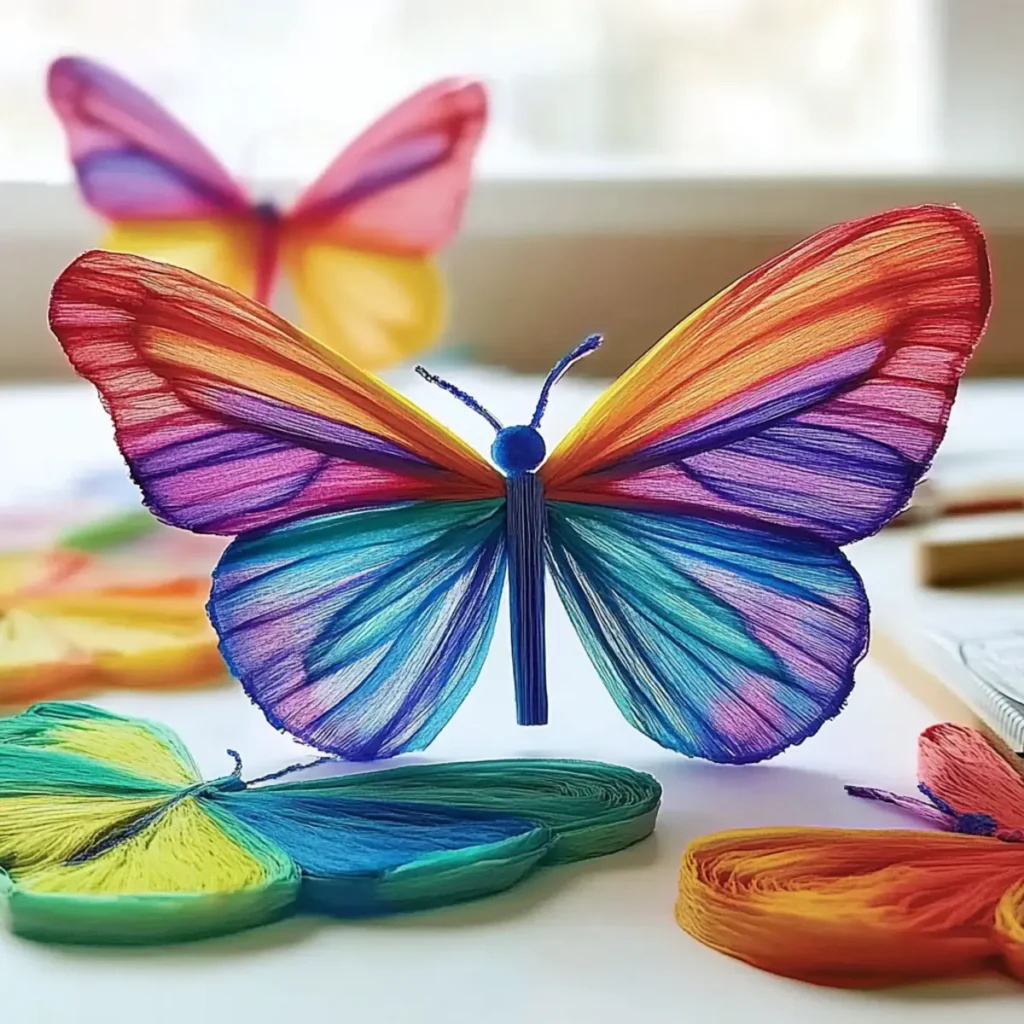
There's something truly enchanting about turning a simple kitchen table into a vibrant science lab, and that's exactly what this Chromatography Coffee Filter Butterflies activity does! Picture this: your child's eyes lighting up as they watch colors blossom and blend right before them, creating a kaleidoscope of vibrant butterflies. Not only is it a delightful craft, but it's also an engaging way to introduce kids to the fascinating world of chromatography and water absorption.
I discovered this joyful experiment while searching for ways to combine learning with hands-on fun, and I promise, it's a perfect antidote to the monotonous fast-food routine. As you gather materials like white coffee filters, washable markers, and a sprinkle of water, you'll realize you're not just crafting - you're sparking curiosity and creativity! So, let's get started on a colorful journey that's sure to captivate both young minds and budding scientists alike.
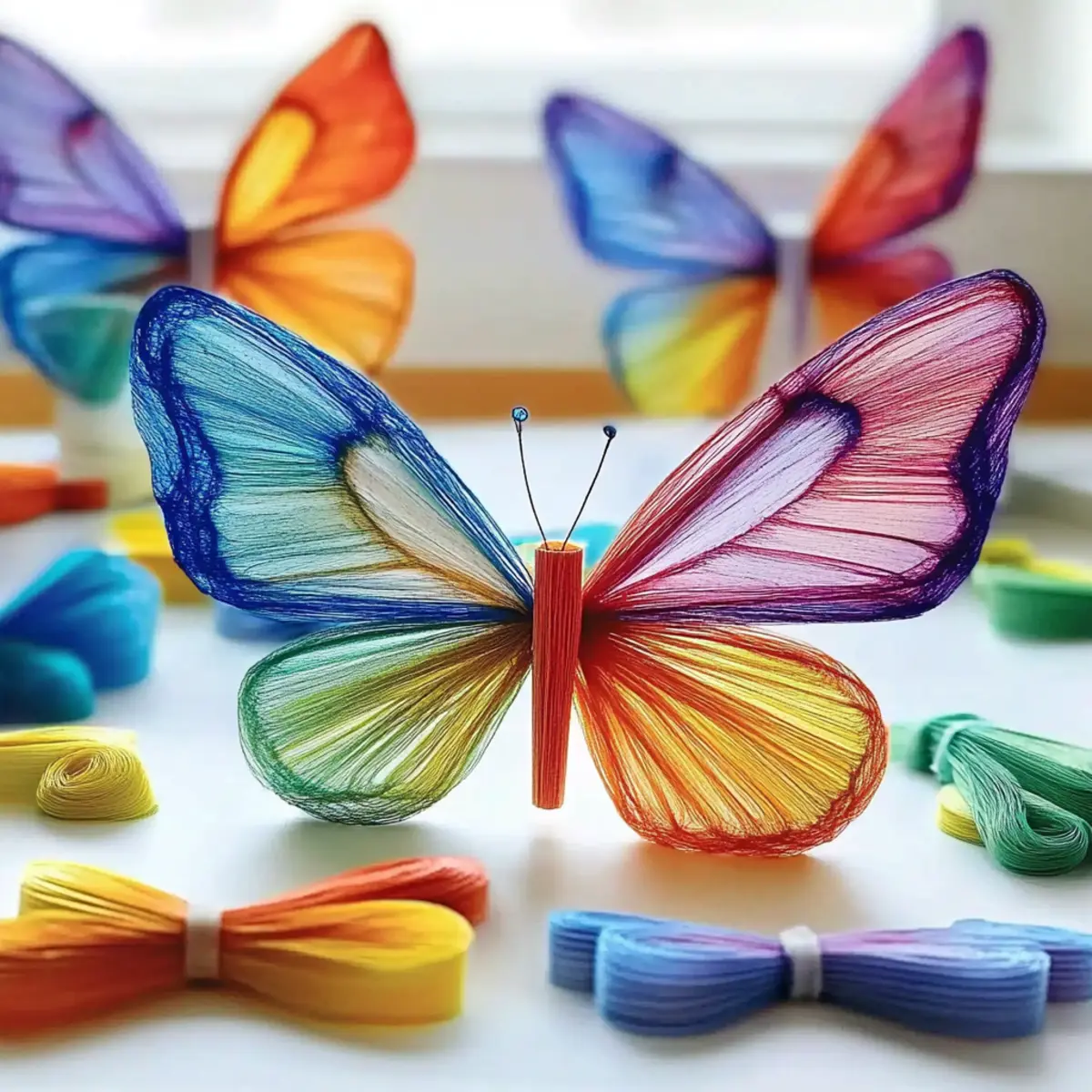
Why You'll Love Chromatography Coffee Filter Butterflies?
Engaging Activity: This recipe is a perfect blend of art and science that will keep kids enchanted.
Vibrant Colors: Watch as colors bloom and blend, creating stunning butterflies that are as beautiful as they are educational.
Hands-On Learning: Your children will delve into concepts like chromatography and water absorption while having fun!
Easy Setup: With simple materials like coffee filters and washable markers, this craft is quick and accessible.
Creative Exploration: Encourage kids to experiment with patterns and colors, fostering their creativity and scientific curiosity.
Turn your kitchen into a vibrant learning lab where science and creativity unite!
Chromatography Coffee Filter Butterflies Ingredients
• Dive into this colorful activity with ease!
For the Butterflies
- White Coffee Filters - These serve as the canvas for your vibrant creations.
- Washable Markers - Bright, bold colors are key; encourage kids to make unique patterns!
- Water - Essential for blending colors; a spray bottle works wonders for even distribution.
- Pipe Cleaners - Use these to craft butterfly bodies and antennae; pick fun, vibrant colors!
- Googly Eyes (Optional) - Add a whimsical touch; they need glue for attachment.
- Glue (Optional) - Helps secure those googly eyes for added character.
Let this Chromatography Coffee Filter Butterflies experiment spark joy and curiosity in your kitchen!
How to Make Chromatography Coffee Filter Butterflies
-
Prepare Work Area: Lay down a protective covering like old newspaper or a tablecloth to keep your space clean from any ink stains.
-
Color Filters: Hand your child some washable markers and let them unleash their creativity! Encourage them to create fun designs on the white coffee filters, such as stripes or polka dots.
-
Spray Water: Now comes the exciting part! Lightly spray or drop water onto the colored filters and watch in awe as the colors spread and blend together, creating vibrant patterns.
-
Shape Butterflies: Once the filters are completely dry, pinch the center of each filter and secure it with a pipe cleaner to form the body and antennae of the butterfly.
-
Add Features: If using, glue on the googly eyes to bring your butterflies to life - watch as they develop their own charming personalities!
-
Display and Discuss: Show off your colorful creations and take a moment to discuss the science of how colors moved through the water, turning this craft into a fun learning experience.
Optional: Hang your masterpieces as cheerful decorations around the house.
Exact quantities are listed in the recipe card below.
Make Ahead Options
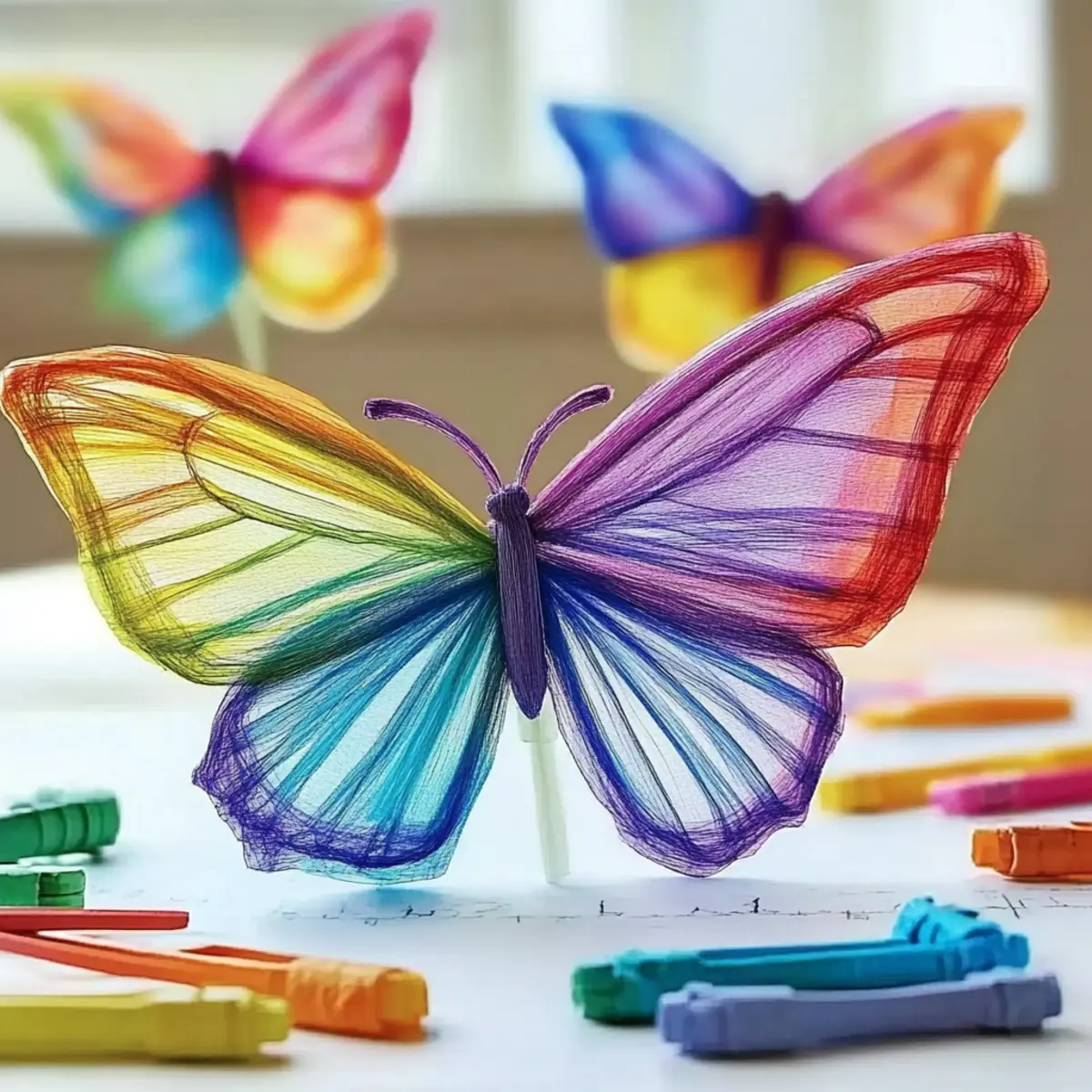
These Chromatography Coffee Filter Butterflies are perfect for busy home cooks and educators looking to save time while igniting creativity! You can prep the coffee filters with washable markers up to 24 hours in advance. After coloring, allow the filters to dry completely before storing them in a ziplock bag to keep them vibrant and prevent drying out. If you want to prepare even further, you can assemble the butterflies (pinching and securing with pipe cleaners) up to 3 days ahead; simply keep them in a cool, dry place. When you're ready to engage the kids, spray the colored filters with water, and watch the magic happen - it's a fun, educational activity that will leave a lasting impression!
Expert Tips for Chromatography Coffee Filter Butterflies
-
Color Mixing Fun: Encourage kids to experiment with various color combinations and creative patterns on the filters to see unique blending effects.
-
Water Control: Avoid oversaturation! A gentle spray or drop is enough to start the color dance-too much water may lead to muddled hues.
-
Washing Hands: Since washable markers can stain, remind everyone to wash their hands before the fun begins to prevent any unintended tie-dye shirts!
-
Drying Time: Be patient! Ensure filters are completely dry before shaping butterflies; damp filters can lead to warped designs and less vibrant colors.
-
Discuss Science: Make it educational by discussing how colors travel through water. Understanding chromatography will enhance their appreciation for the experiment!
Incorporating these tips will help you and your little ones enjoy a successful and colorful Chromatography Coffee Filter Butterflies project!
Storage Tips for Chromatography Coffee Filter Butterflies
-
Room Temperature: Unused and colored filters can be kept out for a few hours before they dry, allowing kids to admire their creations during the activity.
-
Fridge: If you need to pause your crafting session, lightly place colored filters in an airtight container and store them in the fridge for up to 1 day to prevent drying out.
-
Freezer: For longer storage, you can freeze uncolored coffee filters for up to 3 months. When you're ready to use them, simply thaw them at room temperature.
-
Reheating: If you choose to reuse any filters post-creation, lightly mist them with water to revive their colors and allow students to rediscover the fun of chromatography!
Chromatography Coffee Filter Butterflies Variations
Explore fun twists on this colorful experiment to keep the creativity flowing!
-
Different Filters: Try using mini coffee filters or large ones to create butterflies of various sizes, sparking excitement in design.
-
Rainbow Symphony: Use a wider variety of washable markers to create multi-layered butterflies showcasing a complete rainbow of colors.
-
Texture Twist: Incorporate textured materials like colored tissue paper for unique designs that add dimension to your butterflies.
-
Seasonal Themes: Design your butterflies with colors that represent different seasons-spring pastels or fall shades, sparking discussions about nature.
-
Color Dynamics: Experiment with adding a drop of dish soap to the water when spraying to see how it changes the way colors interact!
-
Flavor Boost: Add a splash of vanilla or food-grade flavors to the water for an aromatic twist while keeping it safe for little ones.
-
Glow in the Dark: Use glow-in-the-dark markers for nighttime fun; kids can create masterpieces that shine when the lights go down.
-
Pop Culture Butterflies: Let kids recreate their favorite cartoon or movie characters using corresponding colors to inspire creativity and imagination!
What to Serve with Chromatography Coffee Filter Butterflies?
Create a delightful experience that balances fun and discovery for your kids.
- Fruit Kabobs: Bright and colorful, these fruity treats mirror the vibrant colors in your butterflies, making snack time more exciting!
- Veggie Sticks with Dip: Fresh and crunchy vegetables add a healthy touch, encouraging creativity and exploration while enjoying a tasty snack.
- Edible Paint: Let kids use yogurt or fruit puree as "paint" for an edible art project completely edible, sparking even more fun!
- Sparkling Water with Fruit: Vibrant fizzy drinks will whet their appetites while allowing a fun sensation and a refreshing break in their experiments.
- Butterfly Sandwiches: Create sandwiches shaped like butterflies using cookie cutters; it's a playful nod to your crafts!
- Colorful Fruit Smoothies: A blended burst of delicious fruits that captures the essence of color-perfect for fueling their imaginations.
- Mini Cupcakes: Decorate with butterfly toppers, tying in with your theme and making dessert time extra special.
- Nature Walk Snack: Take your creations outdoors and enjoy snacks under the sky, turning the day into a full multi-sensory adventure!
With these ideas, you're not just crafting; you're turning a simple kitchen table into a joyful learning experience packed with deliciousness!
Chromatography Coffee Filter Butterflies Recipe FAQs
What type of coffee filters should I use?
Absolutely! For the best results, use standard white coffee filters. White filters act as a blank canvas for your markers, allowing the colors to bloom beautifully. Avoid any dyed or printed filters, as they might interfere with the chromatography process and yield unexpected results.
How should I store colored filters if we need to pause our activity?
Very simple! If you need to step away, lightly place the colored filters in an airtight container and store them in the fridge for up to 1 day. This will help prevent them from drying out too quickly, allowing you and your little ones to continue the fun later without any hassle.
Can I freeze uncolored coffee filters for later use?
Absolutely! You can freeze uncolored coffee filters for up to 3 months for future use. Just make sure to place them in a ziplock bag or airtight container to prevent freezer burn. When you're ready to use them, simply thaw them at room temperature, and they'll be good as new!
What if the colors don't blend well when I spray water?
No worries! If you find that the colors aren't blending as you expected, it may be due to oversaturation or the type of markers used. Remember to use a gentle spray or drop of water, as too much can lead to muddled colors. If necessary, try using more vibrant, washable markers, as they often produce better results and create stunning visual effects.
Is there anything I should avoid when making these butterflies?
Definitely! Make sure all materials are washable and non-toxic to keep the activity safe for your children. Additionally, avoid using too much water when spraying the filters; too much liquid can cause the colors to mix too aggressively, resulting in a less appealing outcome. It's all about achieving that perfect balance!
Can my kids use this activity to learn about science concepts?
Absolutely! This engaging Craft meets Science activity provides a fantastic opportunity to discuss concepts like water absorption and chromatography. You can talk about how colors spread through water by observing the butterflies. Encourage the kids to ask questions and explore further; it's a wonderful way to spark scientific curiosity!
With these insights, you're ready to dive into the wonderful world of Chromatography Coffee Filter Butterflies! Enjoy crafting and learning with your kids!
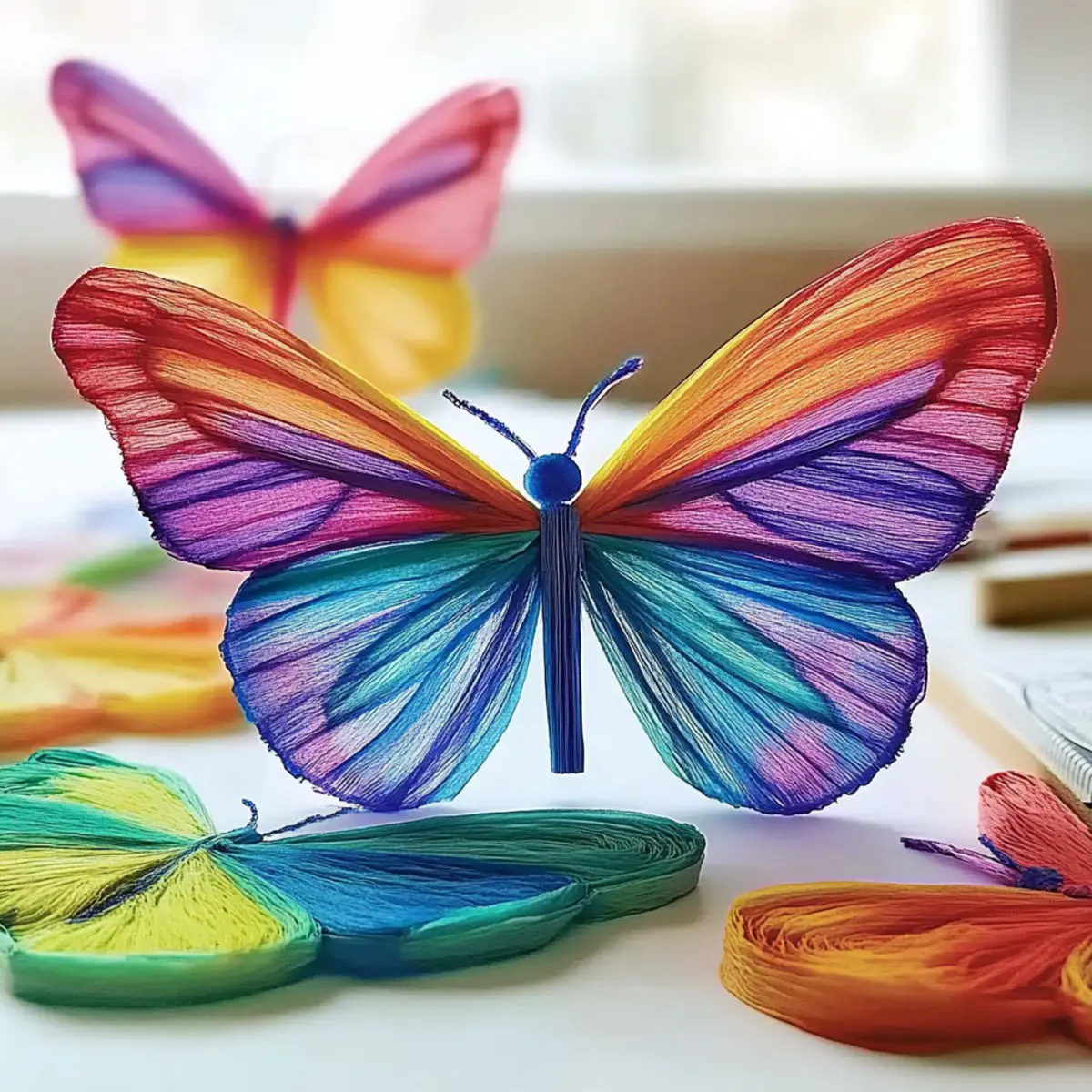
Colorful Chromatography Coffee Filter Butterflies: Easy Fun!
Equipment
- Spray Bottle
- Protective Covering
Ingredients
For the Butterflies
- 5 pieces White Coffee Filters These serve as the canvas for your vibrant creations.
- 4 pieces Washable Markers Bright, bold colors are key; encourage kids to make unique patterns!
- 1 cup Water Essential for blending colors.
- 2 pieces Pipe Cleaners Use vibrant colors for butterfly bodies and antennae.
- 1 package Googly Eyes Optional; need glue for attachment.
- 1 bottle Glue Optional; helps secure googly eyes.
Instructions
How to Make Chromatography Coffee Filter Butterflies
- Prepare Work Area: Lay down a protective covering like old newspaper or a tablecloth to keep your space clean from any ink stains.
- Color Filters: Hand your child some washable markers and let them unleash their creativity on the white coffee filters.
- Spray Water: Lightly spray or drop water onto the colored filters and watch as the colors spread and blend together.
- Shape Butterflies: Once the filters are dry, pinch the center and secure it with a pipe cleaner.
- Add Features: If using, glue on the googly eyes to bring your butterflies to life.
- Display and Discuss: Show off your colorful creations and discuss the science behind how colors moved through water.
Leave a Reply